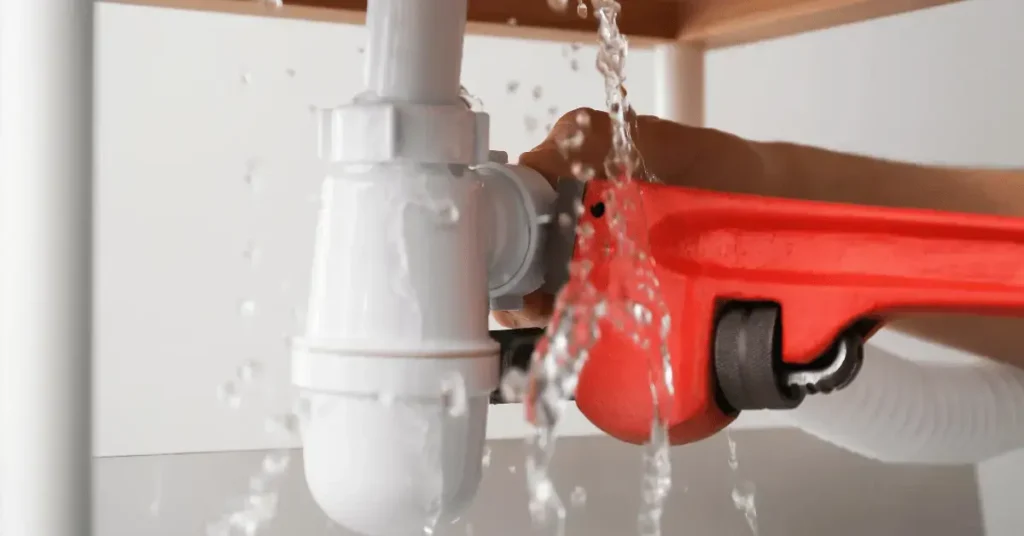
Quick Answer: Your home plumbing system works through two main networks, one that brings fresh water in and another that drains wastewater out. Understanding these systems helps Pelzer homeowners prevent costly leaks, improve efficiency, and keep plumbing working smoothly all year round.
Understanding Your Home Plumbing System
In Pelzer and across Upstate SC, most homes have aging plumbing mixed with modern updates. Your plumbing system has two essential sides: the water supply system (bringing clean water in) and the drain-waste-vent system (removing used water).
The water supply system runs under pressure to deliver water to your faucets, showers, toilets, and appliances. Meanwhile, the drain-waste-vent (DWV) network relies on gravity and air vents to carry wastewater out without letting sewer gases back in.
These two systems must stay balanced. When pressure, venting, or drainage is off, you’ll see issues like slow drains, low water pressure, or bubbling sounds in your pipes.
If you’re unsure which system is acting up, reach out to a Plumber Pelzer, SC who understands the area’s hard water, clay soil, and older copper piping common in Upstate homes.
Main Components Every Homeowner Should Know
Your home’s plumbing isn’t just pipes, it’s a web of systems that work together:
- Water Supply Lines: Bring fresh water into your home under pressure.
- Shut-Off Valves: Let you stop water flow to fixtures during repairs.
- Traps: Keep sewer gases out of living spaces.
- Vent Pipes: Maintain air balance in your drainage system.
- Sewer Line: Connects your home to the municipal system or septic tank.
Pro Tip: Label shut-off valves for quick access during emergencies.
Plumbing System Diagram – How It All Connects
Understanding your home plumbing diagram is like having a map to your water flow.
| Component | Function | Common Issues |
| Water Supply Line | Delivers fresh water | Leaks, corrosion |
| DWV System | Drains wastewater | Blockages, vent clogs |
| Fixtures | Points of use | Drips, wear, mineral buildup |
| Sewer Line | Carries waste out | Root intrusion, backups |
| Water Heater | Provides hot water | Sediment buildup, leaks |
Learning this plumbing system diagram helps you visualize how water enters, moves, and exits your home, and where issues typically start.
How to Plumb a House (Basics for DIYers)
If you’re remodeling or upgrading, here’s a simple breakdown of how house plumbing works:
- Water Inflow: Connect to city or well supply.
- Distribution: Use PEX or copper for supply lines.
- Drainage Layout: Ensure gravity flow for wastewater.
- Vent Placement: Add vents to prevent airlocks.
- Connection: Tie the system to a main sewer or septic tank.
Pelzer’s clay-heavy soil requires proper pipe depth and insulation, especially for exterior lines that can crack during cold snaps.
Common Plumbing Problems in Pelzer Homes
Older homes in Pelzer often have galvanized steel or copper pipes, both prone to corrosion and leaks. Over time, mineral buildup from the area’s hard water causes:
- Slow drains and low water pressure.
- Rusty water due to internal pipe wear.
- Popping noises from trapped air or sediment.
When you Hear Popping Pipes, it’s often a sign of thermal expansion or trapped air pockets inside aging plumbing.
Regular Maintenance Keeps Problems Away
Preventive maintenance is your best defense against plumbing failures. Schedule annual inspections and perform these quick checks every few months:
Monthly Essential Plumbing Checks:
- Inspect under sinks for moisture or leaks.
- Test faucets for consistent water pressure.
- Listen for gurgling or “knocking” in pipes.
- Flush unused drains with hot water.
If you discover standing water or mildew, it’s time to Identify Hidden Water Leaks before damage spreads behind walls or under floors.
The Importance of Drain Cleaning
Clogs can quickly escalate into backups or burst pipes. Simple Drain Cleaning keeps wastewater flowing freely:
Quick Fixes:
- Use a plunger or drain snake for small blockages.
- Avoid chemical cleaners that corrode pipes.
- Flush drains with a mix of hot water, baking soda, and vinegar monthly.
Tip: If multiple drains slow down at once, it might indicate a sewer line blockage. Schedule a professional hydro-jet service before the problem worsens.
Your Water Heater’s Hidden Role
Hot water isn’t just comfort, it’s vital for hygiene and efficiency. Pelzer’s cold winter mornings can stress your Hot water Heater, especially if sediment has built up inside the tank.
Maintenance Tips:
- Flush your heater every 6–12 months.
- Keep thermostat at 120°F to prevent scalding.
- Inspect for rust near valves and joints.
- Check the anode rod annually to prevent corrosion.
If you notice water turning lukewarm, consider upgrading to a Tankless Water Heater for continuous hot water and energy savings.
Why Low Water Pressure Happens
If you’ve noticed inconsistent flow, Low Water Pressure Happens due to buildup, leaks, or a failing pressure regulator. Common culprits include:
- Sediment blocking faucet aerators.
- Small leaks in older copper pipes.
- Corrosion inside galvanized lines.
Quick DIY Fix: Remove aerators and soak them in vinegar overnight. If pressure doesn’t improve, call a licensed plumber to test system pressure and inspect for internal leaks.
When to Upgrade Old House Plumbing
Homes built before the 1990s in Pelzer may still use galvanized steel or cast iron pipes. These materials corrode and cause repeated clogs or discoloration.
Signs Your Home’s Plumbing Needs an Upgrade:
- Rusty or yellow-tinted water.
- Multiple leaks in the same section.
- Persistent low water pressure.
- Frequent drain backups.
Modern PEX and copper systems offer longer lifespan, flexibility, and resistance to corrosion — especially in Upstate SC’s humid, mineral-rich water conditions.
DIY Plumbing Techniques for Homeowners
You don’t need to be a pro to handle minor plumbing fixes safely.
Simple DIY Tips:
- Keep a basic toolkit (plunger, wrench, pipe tape, bucket).
- Shut off the main valve before any repair.
- Use Teflon tape on threaded joints to prevent leaks.
- Replace worn washers to stop faucet drips.
If you’re planning to plumb a new house or renovate, always follow the basics of plumbing diagrams to maintain slope, flow, and venting balance.
Common Plumbing Materials Comparison
| Material | Lifespan | Best For | Cost | Maintenance |
| PVC | 25–40 yrs | Drainage | Low | Easy |
| Copper | 50+ yrs | Supply lines | High | Moderate |
| PEX | 40–50 yrs | Retrofits | Medium | Low |
| Cast Iron | 75–100 yrs | Sewer lines | High | High |
| Galvanized Steel | 40–50 yrs | Older homes | Medium | High |
Pelzer homes often mix copper and PVC, keeping these systems properly sealed and balanced ensures consistent water flow and prevents corrosion.
Plumbing Tips for Year-Round Efficiency
- Winter: Insulate exposed pipes to prevent freezing.
- Spring: Flush your water heater and clean gutters.
- Summer: Check outdoor spigots and irrigation lines.
- Fall: Inspect pressure regulators and shut-off valves.
These small plumbing tips reduce stress on your system and extend its life.
How to Identify Old vs. Modern Plumbing
Old houses in Pelzer often use lead solder, steel lines, or cast iron, materials that wear faster under Upstate humidity. Modern plumbing relies on PEX and PVC, which resist corrosion and expand during mild freezes.
DIY Inspection Steps:
- Check visible pipes, gray = galvanized, orange = copper, blue/red = PEX.
- Tap lightly; dull sound means corrosion inside.
- Look for discolored water during first flow of the day.
If unsure, schedule a professional inspection to evaluate whether it’s time for a system update.
Emergency Preparedness: Avoid Costly Damage
Even small leaks can cause major issues. Here’s how to protect your plumbing before a storm or cold snap:
Top 5 Emergency Readiness Steps:
- Know where your main shut-off valve is.
- Insulate exposed outdoor lines.
- Drain garden hoses and outdoor faucets.
- Keep heat on above 55°F indoors.
- Have your plumber’s contact saved.
When problems strike, quick action minimizes damage and costly repairs.
Keep Your Plumbing Flowing – Trust Local Experts
Your home’s plumbing is one of its most valuable systems, and it deserves professional care from people who know the local soil, water, and weather conditions.
In Pelzer, cold snaps, hard water, and aging infrastructure make regular maintenance essential. When issues arise, your neighbors trust Jacob’s Plumbing LLC for honest, reliable service.
📞 Call (864) 318-3285 today for expert help with repairs, inspections, or upgrades that keep your plumbing healthy year-round.
Frequently Asked Questions
Check for discolored water, slow drains, or metallic-tasting tap water. These are signs of aging pipes that need replacement.
Yes. Clay soil encourages root growth toward moisture in sewer lines. Regular camera inspections prevent blockages.
Pour boiling water monthly, followed by baking soda and vinegar. Avoid grease or coffee grounds in sinks.
At least once a year to remove sediment buildup and maintain heating efficiency.
Call a professional if you smell gas, suspect a mainline leak, or notice water backing up through multiple drains.