Quick Answer: A sewer camera inspection sends a small, waterproof video camera through your main sewer line to identify blockages, cracks, root intrusion, pipe bellies, and other damage. The process takes 30 to 60 minutes, requires no digging, and gives you a clear picture of your sewer line’s condition. It typically costs far less than the repairs it helps you avoid.
If a plumber has recommended a sewer camera inspection for your home, you might be wondering what that actually involves, whether it’s worth the cost, and what happens after the camera goes in. Fair questions. Here’s a complete walkthrough so you know exactly what to expect.
How the Inspection Works
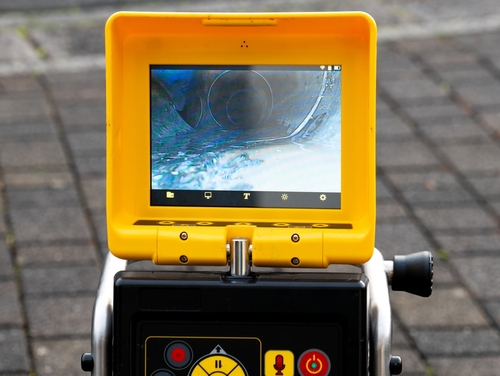
A sewer camera inspection uses a small, flexible, waterproof video camera attached to the end of a cable. The camera is inserted into your sewer line through a cleanout access point, which is typically a capped pipe located outside your home near the foundation or in the basement or crawl space.
As the camera moves through the pipe, it sends real-time video back to a monitor where the plumber can see the interior condition of the entire sewer line from your house to the municipal connection.
The cable has a built-in distance counter, so when the camera encounters a problem, the plumber knows exactly how many feet from the access point it is. Some cameras also have a locating transmitter that allows the plumber to mark the exact spot on the surface above ground. This is critical information if excavation or a targeted repair is needed later.
The whole process typically takes 30 to 60 minutes, depending on the length of your sewer line and what the camera finds along the way.
What We’re Looking For
The camera inspection isn’t just checking whether the pipe is open. It’s evaluating the structural condition of the entire line. Here’s what the video reveals:
Root intrusion. Tree roots enter sewer lines through cracks and joint connections. On camera, you can see roots hanging down into the pipe or filling entire sections. Root intrusion is especially common in Williamston, where mature trees and aging infrastructure create the perfect conditions for root damage.
Cracks and fractures. Hairline cracks might not cause immediate problems, but they’re entry points for roots and they weaken the pipe structurally. Larger cracks or separated joints indicate sections that need repair or replacement.
Pipe bellies. A “belly” is a section of pipe that has sagged or settled due to ground movement. Water and debris collect in the low spot instead of flowing through, creating recurring clogs and a breeding ground for bacteria. This is common in areas with clay-heavy soil, which is something Anderson County homeowners deal with regularly.
Offset joints. When two sections of pipe shift out of alignment, the resulting step at the joint catches debris and creates a buildup point. Over time, this causes recurring blockages.
Pipe deterioration. Older pipes made from clay tile, cast iron, or Orangeburg (a tar-paper composite used in the 1950s and 1960s) deteriorate in predictable ways. The camera shows exactly how much of the pipe wall remains and how much has corroded, collapsed, or flaked away.
Grease and scale buildup. The camera reveals how much buildup has accumulated on the pipe walls, even if the line is currently flowing. Heavy buildup indicates the line needs professional cleaning before it progresses to a full blockage.
When You Should Get an Inspection
There are several situations where a camera inspection is the smart move:
Recurring drain backups or slow drains. If you’ve had your drains cleaned and the problem comes back within a few months, the camera tells you why. It might be root intrusion, a belly, or a partial collapse that snaking alone can’t permanently solve.
Before buying a home. We’ve covered this in detail in our post about getting a plumbing inspection before buying a home in Piedmont and Williamston. A camera inspection of the sewer line is the single most valuable piece of pre-purchase plumbing information you can get.
After a major storm or ground disturbance. Heavy rain, flooding, or nearby construction can shift soil and damage buried pipes. If you notice changes in drain performance after a significant weather event or construction project, an inspection is worth it.
Proactive maintenance every 3 to 5 years. For homes with older sewer lines, periodic inspections catch developing problems before they become emergencies. It’s the same logic as getting your car inspected. You’d rather know about a worn brake pad now than find out when you can’t stop.
What Happens After the Inspection
After the camera run, your plumber will review the footage with you, explain what each issue means, and give you options. Not every finding requires immediate action.
Minor root intrusion might be addressed with hydro-jetting and root cutting. A grease buildup calls for a professional drain cleaning. A cracked section might need a spot repair. And a severely deteriorated or collapsed line may require a full sewer line repair or replacement.
The key is that you have the information to make a smart decision. No guessing, no unnecessary digging, and no getting talked into work you don’t need.
At Jacob’s Plumbing LLC, we perform sewer camera inspections for homeowners across Greer, Williamston, Pelzer, and Piedmont. We walk you through the footage, explain everything in plain language, and give you honest recommendations with upfront pricing.
The National Association of Sewer Service Companies (NASSCO) sets industry standards for pipeline inspection and assessment, and camera inspection is considered the gold standard for evaluating buried sewer infrastructure without excavation.
Want to know what’s going on inside your sewer line? Call Jacob’s Plumbing LLC at (864) 318-3285 to schedule a camera inspection. It’s the best way to protect your home from the most expensive plumbing surprises.