Quick Answer: Yes cold weather lowers water heater efficiency by dropping incoming water temperature, increasing temperature rise, and forcing longer heating cycles and more standby heat loss. You may notice less hot water in winter, longer waits, and higher bills as recovery time increases. Insulating hot water lines, reducing heat loss in pipes, flushing sediment buildup, and setting the thermostat setting to about 120°F can restore performance. If you hear rumbling / popping / crackling noises, see rusty / discolored water, or spot leaks, get it checked before winter demand peaks.
Why Winter Makes Water Heaters Work Harder
If you’ve been wondering, does cold weather affect water heater performance in a measurable way? Yes, and it usually starts with the water coming into your home. In winter, your supply can arrive much colder (sometimes near-freezing water supply in severe cold snaps), which means your heater must create a bigger temperature rise to reach your setpoint.
That extra lift requires longer heating cycles, which increases energy use and can raise utility costs. In real life, that shows up as slower hot water delivery and a longer recovery time after showers or laundry.
Cold snaps may not be constant, but even a few nights below freezing can shift your system into overtime mode. That’s when skilled plumbing professionals often see small weaknesses (like worn parts or insulation gaps) become big comfort problems.
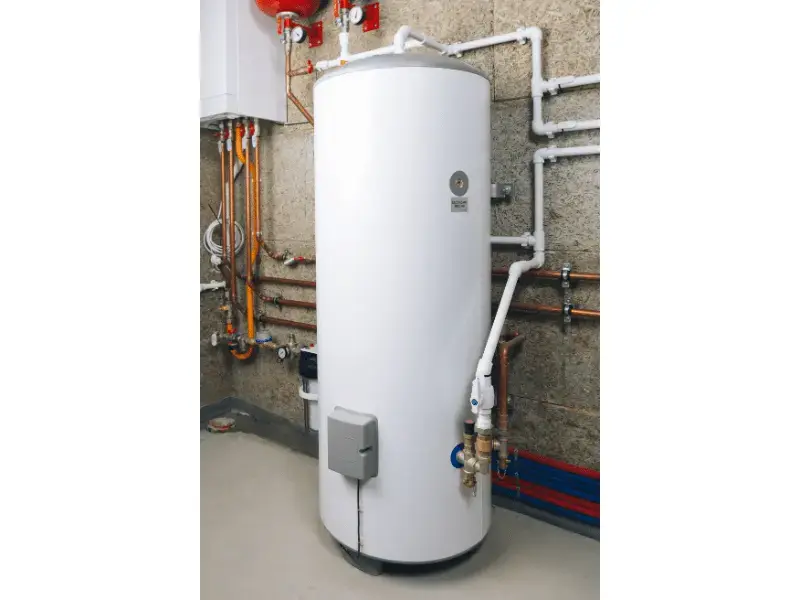
How a Tank-Style Water Heater Works (And Where Winter Hits)
Most homes use a traditional tank-style heater, and winter affects every stage of its cycle:
- Water inflow: cold water enters the tank from the main line (incoming water temperature drops in winter).
- Heating process: heating elements (electric) or a gas burner raises the water temperature.
- Maintaining temperature: the unit fights standby heat loss as the tank warms the surrounding air.
- Hot water delivery: when you use hot water, cold water refills the tank and the cycle repeats often more frequently in winter.
If your heater sits in unheated spaces (basements, garages, utility rooms), winter also lowers ambient air temperature, pulling heat out of the tank faster through heat transfer to surrounding air.
The Two Biggest Winter Efficiency Killers
Most winter water heater efficiency problems come down to two core issues: extra energy needed to heat colder incoming water and increased heat loss from tanks and pipes in cold environments. These combined stresses are why performance often drops in winter.
1) Colder Incoming Water = Bigger ∆T and Longer Run Time
In summer, your water might arrive cool. In winter, the hot water heater is cold and the heater must work harder. That bigger temperature rise (∆T) increases longer heating cycles and slows recovery time.
2) Standby Heat Loss In Cold Rooms
When the space around the tank gets colder, heat naturally flows outward. That’s standby heat loss in action. The heater cycles more often to maintain temperature, which reduces energy efficiency and raises higher energy bills / utility costs.
Winter Symptoms: What You’ll Notice First
Many homeowners ask the same thing in different words: can cold weather affect water heater output enough to feel it? Yes and it often shows up as comfort and timing issues.
Common Winter Performance Symptoms
- Hot water takes longer to arrive at taps (recovery time feels worse)
- Showers go lukewarm faster (shorter hot water supply)
- Temperatures fluctuate during long use (inconsistent water temperature)
- Bills rise because the heater runs more (higher energy bills / utility costs)
- New noises appear (rumbling / popping / crackling noises)
If the unit is older (often 8-12 years for many tank units), winter stress can reveal hidden wear. If you’re trying to avoid an emergency, this is the season to act early especially if you’re already seeing less hot water in winter.
Hidden Problem: Sediment Buildup Gets Worse in Winter
Winter doesn’t create minerals, but it makes existing issues more obvious. Sediment buildup and mineral deposits settle at the bottom of the tank and can form an insulating layer on heating element surfaces.
That insulation reduces heat transfer and can cause:
- Longer heating cycles
- Higher bills
- More noise
- Higher overheating risk
During winter, colder incoming water makes existing mineral layers more problematic, which is why homeowners often need to flush sediment from water heater tanks before efficiency, recovery time, and energy usage return to normal.
Corrosion, Anode Rods, and Rusty Water (Efficiency + Risk)
If you ever see rusty water, that’s not just a “water quality” annoyance it can signal corrosion inside the tank. The anode rod (sacrificial anode) is designed to corrode first to protect the tank. When it’s depleted, corrosion accelerates.
Corrosion can lead to:
- Reduced efficiency (more heat loss through compromised tank surfaces)
- Leaks
- Costly water damage
- Unexpected tank failure during a cold snap
If you’re unsure whether you’re dealing with normal winter demand or an actual unit issue, affordable water heater repair specialists can inspect the anode rod, tank condition, and key safety components quickly.
Pipe Heat Loss: Why Water Cools On The Way To The Faucet
Even if the tank is heating properly, winter can steal heat after the water leaves the unit. Water lines heat loss increases when pipes run through cold areas. Many homeowners experience a water temperature drop in pipes (e.g., ~10°F loss) before the water reaches a shower.
Quick Fix: Insulate the First 6–10 Feet of Hot Pipe
- Use foam pipe sleeves / pipe insulation sleeves on exposed hot water lines
- Prioritize runs through crawl spaces, garages, and exterior walls
- This reduces heat loss in pipes and can shorten wait time at fixtures
Tip: If your heater is in a cold utility space, a water heater blanket (also called a tank insulation blanket (tank blanket) can reduce standby heat loss significantly especially for older tanks.
Special Case: Water Heater in a Garage During Freezing Weather
If you have a hot water heater in garage freezing weather, your winter efficiency challenge is often multiplied. Garages can drop close to outdoor temperature, so the tank and nearby piping lose heat faster.
What to do:
- Insulate hot water lines and the first section of the cold inlet
- Seal air leaks in the wall behind the unit
- Consider a tank blanket if the unit’s manual allows it
- Keep the space above freezing when possible
If you’ve ever asked yourself, does cold weather affect water heater reliability more in a garage? Yes, because cold ambient air increases standby losses and can chill the tank shell faster between cycles.
Thermostat Settings, Safety, and the Turn It Up Trap
Many people respond to winter discomfort by turning up the thermostat setting. While a small adjustment can help compensate for line losses, setting it too high increases:
- energy use (worse energy efficiency)
- scalding risk
- component stress
Most homes do best around 120°F recommended setpoint. That balances comfort and safety while limiting unnecessary cycling.
Gas vs Electric: Winter Issues You Should Know
Electric Water Heaters
Winter strain can reveal weakening heating elements (electric), causing slower recovery and lukewarm output. If the unit stops heating suddenly, check the breaker circuit breaker trips sometimes happen when an element fails.
Gas Water Heaters
Cold weather can make existing issues more obvious:
- pilot light issues
- burner buildup affecting the gas burner / burner assembly
- ventilation/draft issues that reduce heating performance
Essential Winter Maintenance That Protects Efficiency
Here’s the maintenance that consistently improves winter performance and reduces breakdown risk.
Winter Efficiency Maintenance Routine
- Flush the tank to remove sediment buildup and mineral deposits (restores heat transfer).
- Inspect/replace the anode rod (sacrificial anode) to slow corrosion inside the tank.
- Test the pressure relief valve (TPR valve) to prevent dangerous pressure buildup.
- Check for early leaks and rust to avoid water damage.
- Insulate hot pipes with pipe insulation sleeves / foam pipe sleeves to reduce heat loss in pipes.
Tip: Schedule this before the coldest weeks hit. Your heater will run longer cycles in winter, so small problems snowball quickly.
Troubleshooting: Quick Fixes Before You Call Anyone
If you’re mid-winter and suddenly performance drops, try these safe checks first.
Quick Fix Troubleshooting Steps
- Confirm the thermostat setting is near 120°F (avoid going too high).
- If electric: verify the breaker isn’t tripped (circuit breaker trips).
- If gas: confirm the pilot is lit (watch for pilot light issues).
- Listen for popping noises, often sediment.
- Feel pipes: if hot water cools fast, add foam pipe sleeves to reduce water lines heat loss.
If problems persist, especially repeated lukewarm water, new noise, or discolored water this is the moment to review signs your water heater needs professional attention and act before the unit fails during peak winter demand.
Upgrade Options That Improve Winter Efficiency (If Your Unit Is Aging)
If your tank is older (commonly 10+ years), winter is when it may struggle most. Upgrading can improve energy efficiency and shorten recovery time.
Tankless Water Heaters
Tankless units heat on demand, which can reduce standby losses. However, they still deal with cold inlet water, so proper sizing matters.
Hybrid Heat Pump Water Heaters
A heat pump model can be extremely efficient in many conditions, using ambient air to heat water. In very cold spaces, performance depends on placement and airflow, so installation planning matters.
Smart Features Worth Considering
- Leak detection alerts
- Remote monitoring
- Performance notifications that catch issues early
Trench-Level Details Competitors Often Miss (But You Should Cover)
Winter efficiency isn’t only about the tank it’s also about delivery. Consider adding:
- Pipe run length and how it increases water temperature drop in pipes
- The effect of unheated spaces (basements, garages, utility rooms) on standby losses
- How standby heat loss compounds with increased winter demand (longer showers, laundry)
Need Reliable Hot Water All Winter? Call Jacob's Plumbing LLC
If your hot water is inconsistent, your tank is noisy, or your bills jump when temperatures drop, don’t wait for a mid-winter failure. Jacob’s Plumbing LLC can inspect, maintain, and restore your water heater’s efficiency so you stay comfortable through the coldest weeks.
Call now: 8643183285
FAQs About Cold Weather Affecting Water Heater Efficiency
Why do I get less hot water in winter even though nothing changed?
Because incoming water is colder, your heater must create a bigger temperature rise, so it runs longer and recovers more slowly, making hot water run out sooner.
Should I turn my thermostat up in winter?
A small adjustment can help, but staying near 120°F is usually best. Higher settings raise scald risk and energy use, and they don’t always fix pipe heat-loss problems.
What does popping or rumbling from my water heater mean in winter?
Those noises often point to sediment buildup. As water bubbles through hardened sediment, you’ll hear rumbling or popping-and efficiency drops.
Can winter cause my water heater pipes to freeze?
Yes-especially if piping is exposed in garages, crawl spaces, or exterior walls. Frozen pipes can restrict flow and lead to bursts.
How often should I flush a water heater?
Many households benefit from annual flushing, especially in areas with mineral-heavy water. If performance drops each winter, flushing before cold season is a smart routine.