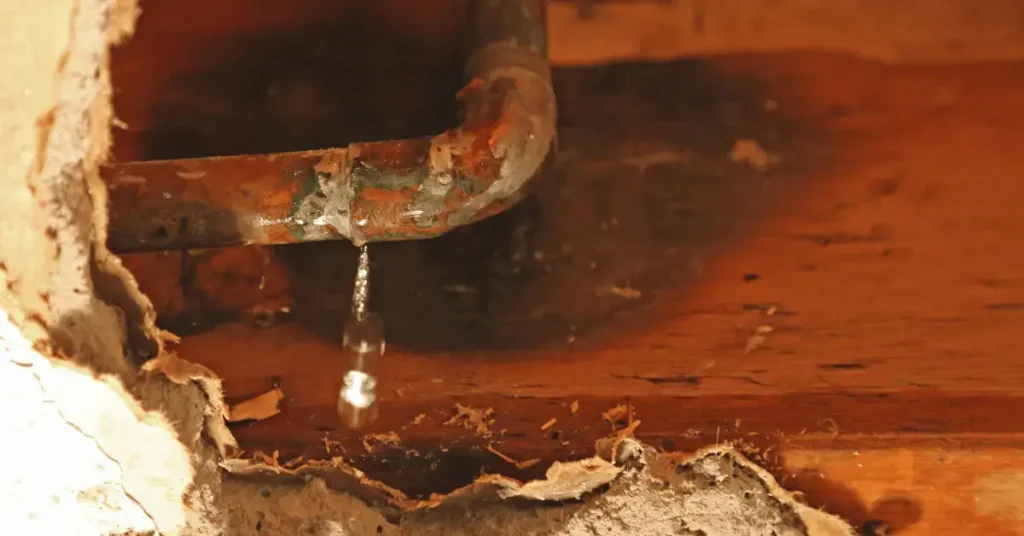
Quick Answer: Hidden water leaks in your Pelzer home often appear as rising water bills, damp walls, musty smells, or low water pressure. In Upstate SC’s humid climate and clay-heavy soil, moisture lingers longer, making leaks harder to spot. Start by checking your water meter, inspecting toilets with food coloring, and looking for soft patches near the foundation. If leaks persist, call a trusted local plumber for professional leak detection before structural damage sets in.
Homeowners in Pelzer often deal with aging plumbing and humid weather that make hidden water leaks harder to detect. With older copper and PVC pipes running under crawl spaces and through walls, even a pinhole leak can waste up to 90 gallons of water a day. Left unchecked, that’s not just a spike in your bill, it’s a slow, expensive drip of structural damage.This guide explains how to identify hidden water leaks in house systems, with local insights, detection methods, and expert advice designed specifically for Upstate South Carolina homes.
Why Hidden Water Leaks Are Common in Pelzer Homes
Pelzer homes, especially those built before the 1990s, often have galvanized or copper pipes that corrode over time. Combined with the region’s hard water and expansive clay soil, leaks tend to develop at joints, under slabs, or inside walls.
Even small plumbing leaks can:
- Create musty odors and mold
- Weaken drywall and subfloors
- Cause soil erosion under foundations
- Lead to warped wood and damaged insulation
According to the EPA, 10% of homes lose 90+ gallons daily due to undetected leaks. In humid Upstate climates, these leaks remain unnoticed longer, as evaporation hides surface moisture.
Most Common Hidden Leak Sources
Hidden leaks can appear anywhere in your plumbing system, but the most frequent culprits in Pelzer homes include:
- Toilet flapper valves leaking into the bowl
- Faulty washing machine hoses
- Underground supply lines near the water meter
- Corroded pipe joints inside walls or crawl spaces
- Water heater relief valves and fittings
If you’ve already checked visible fixtures, your next step is investigating less obvious spots, behind drywall, under floors, and around your water heater specialist equipment.
Early Warning Signs You Shouldn’t Ignore
Here are the top signs of a water leak in your home that many Pelzer homeowners overlook:
- Unexplained water bill increases despite stable usage
- Warm spots on floors, indicating a hot water line leak
- Peeling paint or bubbling drywall in humid rooms
- Mildew odors around closets, kitchens, or laundry areas
- Running water sounds when all faucets are off
If any of these sound familiar, it’s time for a water meter test, one of the simplest DIY ways to confirm leaks before calling a professional.
Step-by-Step: How to Check for Water Leaks
1. Perform a Water Meter Test
Turn off all water-using fixtures and appliances. Note your water meter reading, wait 2 hours, and check again. Any change indicates a hidden leak.
2. Use a Water Pressure Test
Attach a pressure gauge to an outdoor spigot. Normal home pressure should range between 45–65 psi. Anything lower could mean water is escaping somewhere in the system.
3. Inspect Toilets and Faucets
Add a few drops of food coloring to toilet tanks. If the color seeps into the bowl within 30 minutes, the flapper is leaking.
4. Check Your Water Heater and Laundry Connections
Damp spots or rust on connectors are key indicators of leaks.
These steps help narrow down how to tell if your water is leaking slowly before hiring professionals for deeper inspection.
DIY Leak Detection vs. Professional Services
| Detection Method | Tools Used | Accuracy | Best For |
| DIY Water Meter & Visual Checks | Meter, dye, pressure gauge | Moderate | Small visible leaks |
| Acoustic Leak Detection | Listening devices | High | Walls, floors, underground |
| Infrared Thermal Imaging | Infrared camera | Very High | Hot water leaks behind walls |
| Tracer Gas Detection | Hydrogen/Nitrogen gas | Very High | Subsurface or deep line leaks |
| Video Pipe Inspection | Snake camera | Precise | Internal pipe corrosion or cracks |
Local plumbers often combine thermal imaging and acoustic tools to detect leaks under floors, especially in homes built on slab foundations.
How to Find a Water Leak Inside a Wall or Ceiling
Pelzer’s older homes often have plumbing running through uninsulated walls, increasing leak risk. Here’s how to find a water leak inside a wall or ceiling safely:
- Listen for faint hissing or dripping sounds at night.
- Use a moisture meter to scan drywall or ceiling tiles.
- Look for discoloration or softened texture.
- Use an infrared thermometer to spot cool patches from evaporating moisture.
- Drill a small inspection hole (if confident) to check the cavity.
If the moisture spreads beyond one area, it’s time to contact a local plumber with infrared imaging equipment.
Detecting Leaks Under Your House
Water leaks under your home are especially destructive because they can affect your foundation and soil stability. Common signs of a water leak under house structures include:
- Damp soil near foundation walls
- Mold growth in crawl spaces
- Increased insect activity (termites love moisture)
- Unusual warmth or coolness on certain floor areas
Tip: Pelzer’s clay-heavy soil traps moisture, making slab leaks spread wider than they appear. To confirm, perform a water meter test while all valves are off, if it still spins, you likely have a pipe leaking under house.
Practical Tools for Leak Detection
| Tool | Function | DIY-Friendly | Cost |
| Moisture Meter | Measures moisture content in drywall/flooring | ✅ | $25–$60 |
| Acoustic Leak Detector | Amplifies leak sounds | ❌ | $250+ |
| Thermal Imaging Camera | Detects temperature differences | ⚠️ Partial | $400+ |
| Borescope / Endoscope | Inspects behind walls | ✅ | $30–$100 |
| Smart Leak Sensors | Sends phone alerts | ✅ | $40–$150 |
Smart leak sensors placed near the water heater, sink base, or laundry unit can alert you before damage spreads.
DIY Fixes for Minor Leaks
While major plumbing leaks need professional attention, here are some quick fixes for small issues:
- Use epoxy putty or silicone tape for temporary pipe sealing.
- Replace toilet flappers or faucet washers if worn.
- Tighten supply line fittings gently to stop drips.
For recurring clogs or moisture-related slow drains, inspect for clogged drains, which often signal deeper leaks or pipe deterioration.
Professional Leak Detection and Repair
When basic checks don’t reveal the source, professionals use advanced water leak detection methods like:
- Hydrostatic testing – pressurizes lines to measure loss
- Gas infusion – injects harmless hydrogen mix for pinpoint accuracy
- Thermal imaging – spots invisible leaks behind surfaces
- Video inspection – uses fiber optics for internal pipe views
Most Pelzer plumbing experts recommend annual inspections for homes over 25 years old. Preventative maintenance helps avoid emergencies like slab leaks or burst pipes during cold snaps.
Preventing Future Leaks in Pelzer’s Climate
Because Pelzer’s climate swings between humid summers and cold winters, pipes undergo frequent expansion and contraction. Prevent issues by:
- Insulating exposed pipes in basements or crawl spaces
- Maintaining steady water pressure (under 65 psi)
- Flushing your water heater yearly to remove sediment
- Checking for corrosion or rust at joints
When in doubt, refer to a home plumbing guide for step-by-step seasonal maintenance.
When Water Leaks Lead to Bigger Problems
Unchecked water leaks in house plumbing can create more than surface damage. Over time, you may experience:
- Crumbling grout and floor tiles
- Cracked drywall and plaster
- Electrical shorts from moisture exposure
- Foundation cracks from soil erosion
In winter, if you hear popping pipes, that’s often pressure buildup from expanding frozen water, an early warning sign to shut off your main supply and call a professional immediately.
Expert Tips from Pelzer Plumbers
Pelzer plumbing professionals recommend:
- Scheduling annual plumbing inspections each spring before humidity rises.
- Using leak detection devices near water heaters and laundry areas.
- Monitoring monthly water bills for sudden changes.
- Installing automatic shut-off valves for peace of mind while traveling.
If your system is outdated or you experience repeated leaks, it may be time for tankless water heater repair or repiping services to modernize your setup.
Local Homeowner Data: Water Leaks in Upstate SC
- Average Pelzer home age: 37 years
- Homes with at least one hidden leak yearly: 62%
- Average leak-related repair cost: $1,150–$3,200
- Estimated water loss from undetected leaks: 10,000 gallons per year per home
These numbers show why regular maintenance is more than prevention, it’s financial protection.
How to Find the Source of Persistent Water Leaks
If your leak persists even after testing, follow this short guide on how to find where a leak is coming from:
- Isolate appliances (washing machine, dishwasher) one by one.
- Check your irrigation system and outdoor spigots.
- Inspect crawl spaces for damp insulation.
- Review your water bill over the last three months for patterns.
- If all else fails, call a plumber for professional acoustic or tracer gas detection.
This process also helps if you’re unsure how to find leak in water line connected to your property’s meter.
Protect Your Pelzer Home with Expert Help
Hidden leaks don’t fix themselves, and they always cost more the longer you wait. In Pelzer, fluctuating temperatures and clay soil make leak detection even more critical.Call Jacob’s Plumbing LLC today at (864) 318-3285 for trusted local water leak detection, repair, and full-home plumbing inspections. Whether it’s a damp wall, dripping meter, or that suspicious musty smell, our certified technicians will find the problem fast and fix it right the first time.
Frequently Asked Questions
Plumbers use acoustic sensors, thermal cameras, and video scopes to pinpoint leaks with high accuracy—no drywall damage required.
Yes. If your water heater constantly refills due to a hidden leak, it uses more energy to maintain temperature.
In many cases, yes—if the leak is sudden and accidental. Ongoing wear and tear typically isn’t covered.
Underground leaks usually show as soggy soil, greener grass patches, or low water pressure. Professionals use tracer gas or acoustic tools to locate them.
Replace aging copper or galvanized pipes with PEX, insulate exposed lines, and install smart sensors in leak-prone areas.